
5 Steps to Stop Internalizing Stress and Anxiety: An Easy Guide

We’ve all been there. Someone says something slightly critical, a deadline moves up, or the house is a mess, and instead of dealing with the frustration in the moment, you swallow it. You tuck it away in a little corner of your mind and tell yourself you’ll deal with it later. But "later" rarely comes. Instead, that stress sits there, quietly tightening your shoulders and making your thoughts race at 2:00 AM.
Internalizing stress and anxiety is a common habit, especially for those of us who like to keep the peace or feel we should be able to "handle it all" on our own. At MindfulCo Inc, we see this often. People come to us feeling exhausted and burnt out, not because of one big catastrophe, but because of the thousand tiny stresses they’ve bottled up over time.
Breaking the cycle of internalization isn’t about becoming stress-free, that’s not realistic. It’s about changing how you process that stress so it doesn’t live inside you. Here is a practical, five-step guide to help you reclaim your mental wellness and move through anxiety rather than getting stuck in it.
Step 1: Acknowledge Your Stress (The Mind-Body Connection)
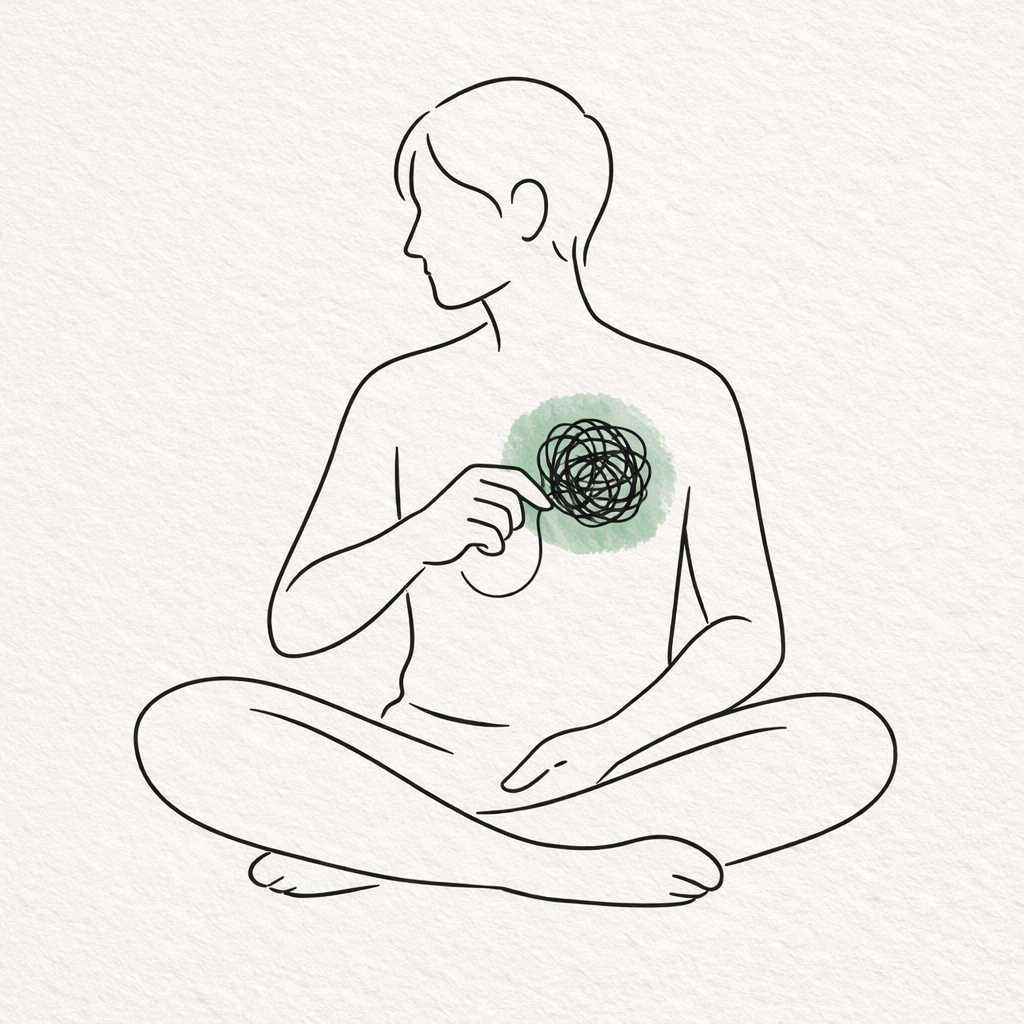
The first step is often the hardest because internalization is, by definition, a form of avoidance. You might not even realize you’re stressed until your back goes out or you find yourself snapping at a loved one over a dropped spoon.
To stop internalizing, you have to get better at spotting the "smoke" before the fire starts. This means checking in with your body. Stress isn't just a thought; it's a physical experience. When you feel anxious, your nervous system is reacting to a perceived threat.
Take a second right now. Is your jaw clenched? Are your shoulders up by your ears? Is your breathing shallow? These are the physical signatures of internalized stress. By acknowledging, "Okay, I am feeling stressed right now," you take away its power to hide. You aren't "weak" for feeling this way; you are simply human. At MindfulCo Inc, we emphasize that naming the feeling is the first step toward managing it.
Step 2: Identify Your Stressors
Once you’ve admitted that the stress is present, you need to play detective. What actually triggered this feeling? Sometimes it’s obvious, like a big presentation at work. Other times, it’s a slow build-up of small things: the news, a messy kitchen, or a vague text from a friend.
A helpful technique for mental wellness is to keep a "stress log" for just a few days. When you feel that familiar tightening in your chest, jot down what happened just before. You might notice patterns you never realized existed. Maybe your anxiety spikes every Sunday evening, or perhaps certain people in your life consistently leave you feeling drained.
Identifying the "who, what, and where" of your stress allows you to move from a place of vague overwhelm to a place of actionable information. If you find that your anxiety feels constant regardless of the situation, it might be worth exploring anxiety therapy to help untangle those deeper roots.
Step 3: Understand the "Why" Behind the Response
This is where we go a little deeper. Why does a specific situation cause you to internalize stress? Stress is a response to a perceived danger. If a deadline makes you lose sleep, what is the "danger" your brain is protecting you from? Is it the fear of failure? The fear of being seen as incompetent? A fear of losing financial security?
Internalization usually happens because we feel it isn't "safe" to express the stress or because we think expressing it won't change anything. We hold it in as a survival mechanism. Understanding these underlying concerns helps you address the root cause rather than just the surface symptoms.
For example, if you're internalizing stress because you have high-functioning anxiety, you might be driven by a need for perfectionism. Recognizing that your "threat" is actually a high standard you’ve set for yourself can be a major breakthrough in your healing journey.
Step 4: Try New Daily Management Strategies
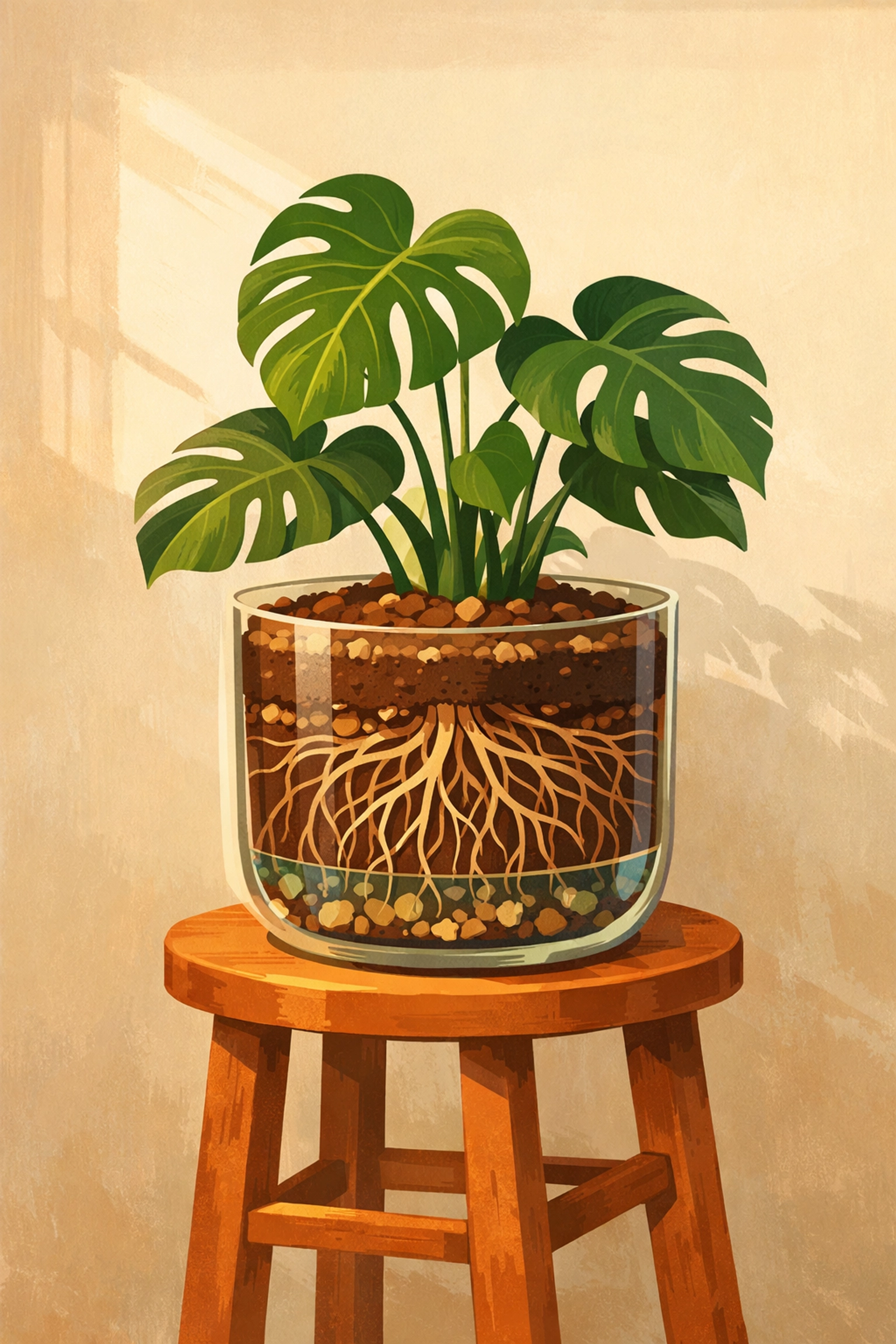
Knowing why you're stressed is great, but you also need tools to move that energy out of your body. If you don't give stress an exit ramp, it stays inside. This is where daily management strategies come in.
Deep Breathing: It sounds cliché, but science backs it up. Slow, deep breaths activate the parasympathetic nervous system: the "rest and digest" mode: which signals to your brain that you are safe.
Physical Movement: Stress is often trapped energy. A brisk walk, a yoga session, or even a quick dance break in your kitchen can help "shake off" the cortisol buildup.
Connection: Internalization thrives in isolation. Talking to a friend, a partner, or a professional counselor can help externalize those heavy thoughts.
Mindfulness: Practices like DBT therapy techniques are incredibly effective for emotional regulation. They teach you how to sit with a feeling without letting it consume you.
At MindfulCo Inc, we often suggest looking into diverse approaches to stress management. Some people find that traditional talk therapy is exactly what they need, while others benefit from more experiential approaches, like equine assisted therapy, which helps you connect with your emotions through interaction with horses.
Step 5: Practice Acceptance and Reframing
The final step is about changing the narrative in your head. When we internalize stress, we often get caught in a loop of rumination. We replay the stressful event over and over, which only cements the anxiety deeper into our psyche.
Reframing is the art of looking at a situation from a different angle. Instead of thinking, "I have so much to do, I'll never get it all done," try reframing it as, "I have a lot on my plate right now, so I’m going to focus on just the next two tasks."
Another powerful tool is the "One Year Rule." Ask yourself: "Will this matter in a year?" Most of the things we stay up worrying about are temporary. By shifting your perspective to the long term, you can lower the immediate intensity of the stress.
Acceptance is also key. Sometimes, life is just hard. Accepting that "I am going through a stressful season" is much more productive than shaming yourself for not being "calmer." Self-compassion is a vital component of long-term mental wellness.

Moving Toward Lasting Change
Internalizing stress is a habit, and like any habit, it takes time to break. You won't get it perfect every day, and that’s okay. The goal isn't to never feel stressed: it's to become a person who knows how to handle it when it arrives.
At MindfulCo Inc, we believe that everyone deserves a safe space to explore these patterns. Whether you are navigating a difficult life transition, dealing with trauma, or just feeling overwhelmed by the weight of daily life, professional support can make a world of difference.
If you’re finding it difficult to stop the cycle of anxiety on your own, consider reaching out for professional guidance. From online counseling to specialized trauma-informed care, there are many paths toward a lighter, more balanced life.
You don't have to carry it all by yourself. Start with Step 1 today: just take a breath and acknowledge where you are. That’s enough for now.



Comments