
Is Your Teen Struggling? How Adolescent Therapy Builds Resilience

Parenting a teenager often feels like trying to navigate a ship through a storm without a compass. One day, things are calm and the sun is out; the next, you’re met with a wall of silence, a door slammed shut, or a sudden burst of tears that seems to come out of nowhere. If you’ve been feeling like your teen is struggling, you aren’t alone, and you certainly haven't failed.
The teenage years are a period of massive biological and emotional upheaval. Between the academic pressure to perform, the non-stop buzz of social media, and the natural desire to figure out who they are, it’s a lot for any young person to carry. Sometimes, the usual "talks" at the dinner table aren't enough to help them navigate these waters. That is where adolescent therapy comes in: not just as a fix for a problem, but as a way to cultivate resilience that will serve them for the rest of their lives.
At MindfulCo Inc, we see therapy as a collaborative journey. It’s about giving your teen the tools to handle the hard stuff today while building a foundation for a healthy, balanced adulthood tomorrow.
What Does Resilience Really Mean?
We hear the word "resilience" a lot lately, but what does it actually look like for a teenager? Resilience isn't about being "tough" or never feeling sad or stressed. In fact, it’s quite the opposite. Resilience is the ability to navigate through stress, bounce back from setbacks, and adapt to change.
Think of it like a muscle. When a teen faces a challenge: like a bad grade, a friendship breakup, or a sports injury: their resilience determines how they process that experience. Do they internalize it as a personal failure, or do they see it as a hurdle they can clear?
Through adolescent therapy, we help young people move from a fixed mindset ("I’m just bad at this") to a growth mindset ("This is hard right now, but I can figure it out"). This shift doesn't happen overnight, but with the right support, it becomes their natural way of processing the world.
Why the Teenage Brain Needs a Different Approach
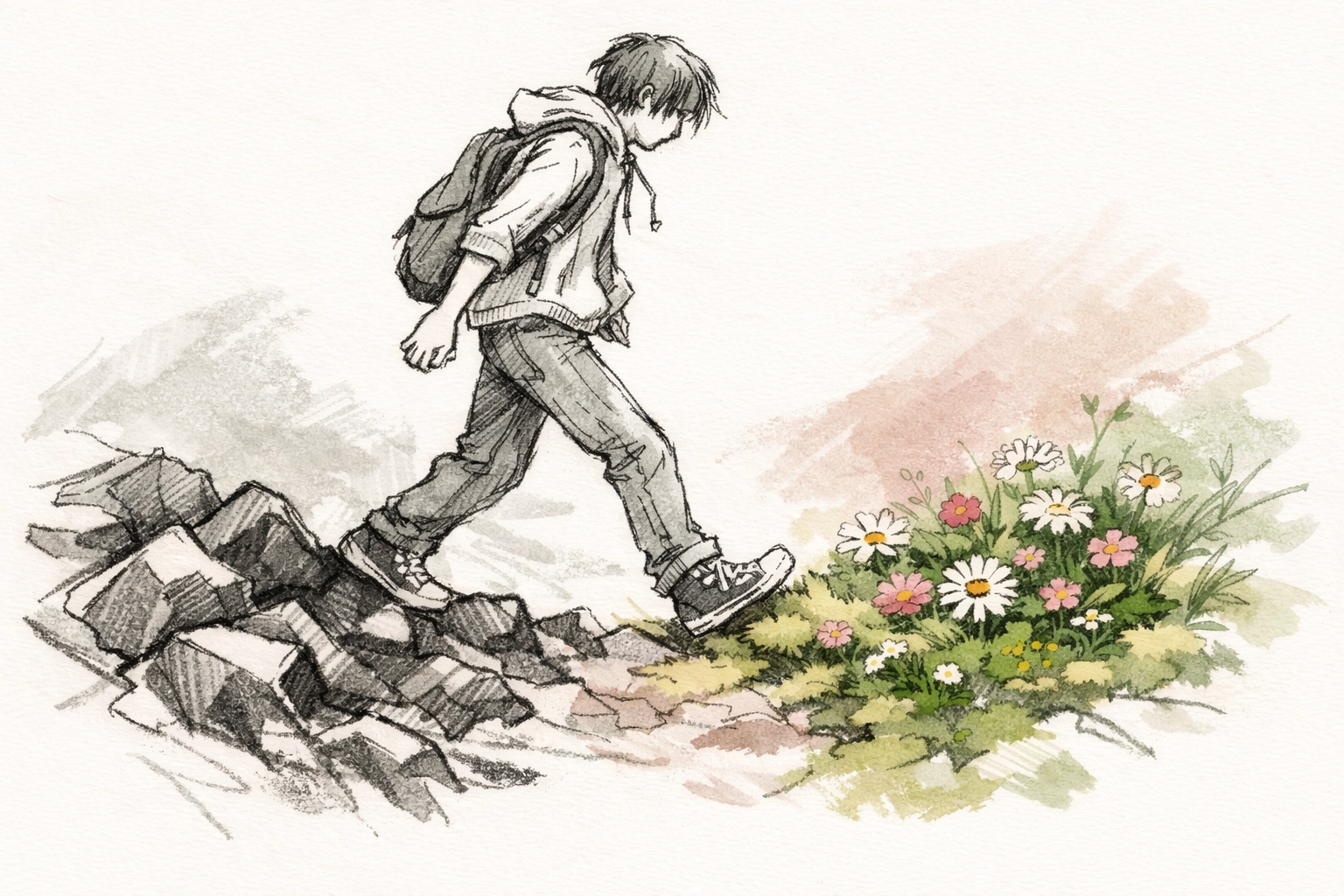
It’s easy to forget that the adolescent brain is literally a construction zone. The prefrontal cortex: the part of the brain responsible for decision-making, impulse control, and emotional regulation: doesn’t fully develop until the mid-twenties. Meanwhile, the amygdala, which handles emotions and "gut reactions," is firing on all cylinders.
This gap is why teens often react impulsively or feel emotions so intensely. At MindfulCo Inc, we understand this biological reality. Our approach to adolescent therapy involves helping teens bridge that gap. We work on:
Identifying Triggers: Helping them understand what sets off their stress or anger.
Emotional Regulation: Teaching them how to sit with a big feeling without letting it take over.
Communication Skills: Finding ways to express their needs to parents and peers without it turning into a conflict.
If you’re wondering if your teen is just "being a teen" or if they need more support, it can help to look at understanding mental health tips from a professional counselor to get a better sense of when specialized help is the right next step.
The Power of a Client-Centered Approach
One of the biggest hurdles in getting a teen into therapy is the fear that they are being "sent" to be "fixed." No one likes to feel like a project. That’s why at MindfulCo Inc, we utilize a client-centered approach.
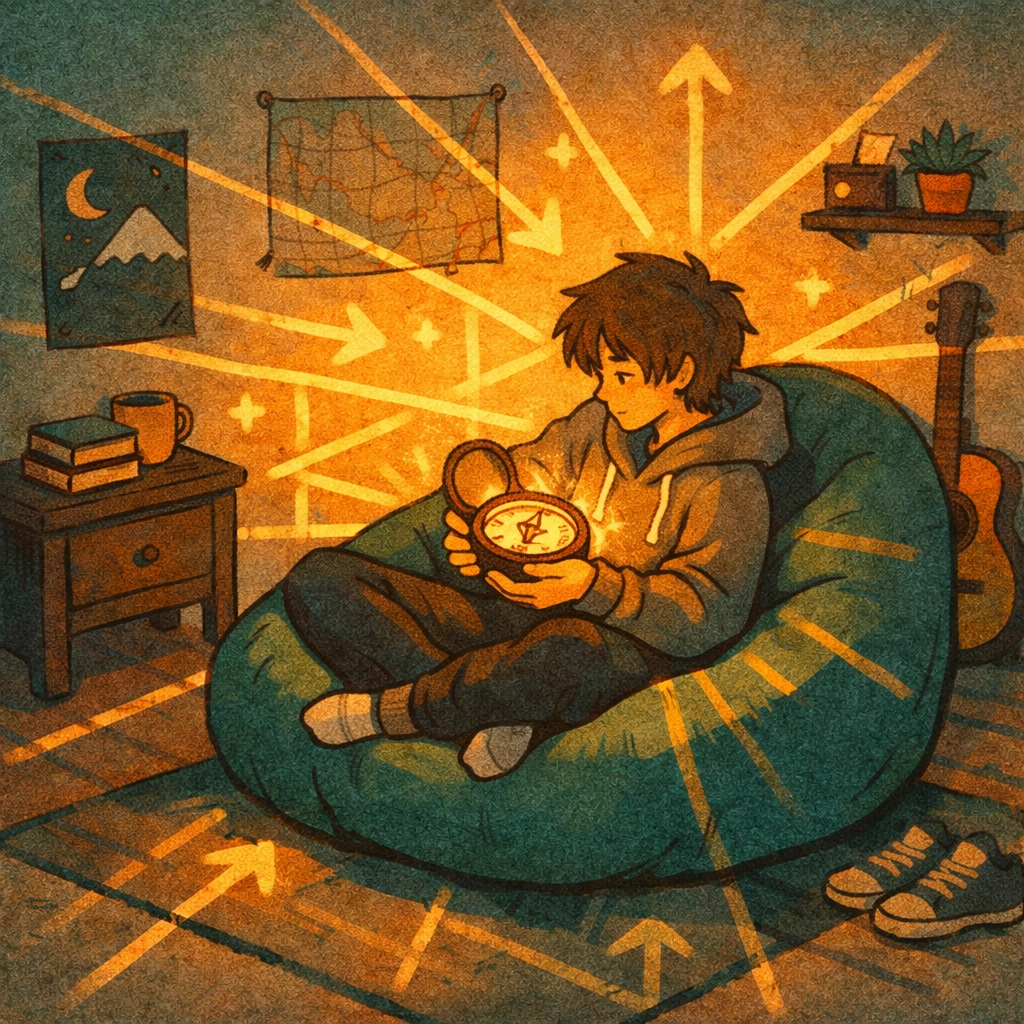
What does this mean in practice? It means the teen is in the driver’s seat. We create a safe, non-judgmental environment where they feel heard and respected. Instead of a therapist acting as an authority figure who tells them what to do, we act as a guide. When a teen feels they have agency in their own healing, they are far more likely to engage with the process.
This sense of ownership is a resilience-builder in itself. When a young person realizes they have the power to change their perspective and manage their reactions, their self-esteem grows. They stop seeing themselves as a victim of their circumstances and start seeing themselves as a person with tools and choices.
Evidence-Based Tools for Building Coping Skills
While a friendly, supportive environment is essential, we also lean on evidence-based techniques that are proven to help adolescents. Resilience is built through specific strategies that help reorganize how the brain processes stress.
Cognitive Behavioral Therapy (CBT)
CBT is incredibly effective for teens struggling with anxiety or depression. It helps them identify "thought traps": those negative loops that tell them they aren’t good enough or that things will never get better. By challenging these patterns, teens learn to replace them with more realistic, helpful thoughts.
EMDR for Trauma and Stress
For teens who have experienced significant trauma or even "smaller" distressing events that have left a mark, Eye Movement Desensitization and Reprocessing (EMDR) can be transformative. It helps the brain "reprocess" difficult memories so they no longer trigger an intense physical or emotional stress response. You can learn more about how we use these methods in our treatments section.
Goal Setting and Problem Solving
Often, teens feel overwhelmed because life feels like one giant, unsolvable problem. We work on breaking things down into manageable pieces. Achieving small goals: whether it’s starting a homework assignment or having a difficult conversation with a friend: builds the confidence necessary for long-term resilience.
When Should You Consider Adolescent Therapy?
It can be difficult for parents to know when to seek help. Many parents wait until there is a crisis, but therapy is often most effective as a preventive measure. Building coping skills before life gets even more complicated is an investment in your child's future.
Here are a few signs that your teen might benefit from adolescent therapy:
Withdrawal: They’ve stopped hanging out with friends or spending time with the family.
Changes in Sleep or Appetite: Sleeping too much, not enough, or a sudden change in eating habits.
Irritability: Frequent outbursts that seem out of proportion to the situation.
Academic Decline: A sudden drop in grades or a loss of interest in activities they used to love.
Physical Symptoms: Constant headaches or stomachaches that don't have a clear medical cause (often a sign of internalized anxiety).
If you’re noticing these signs, it might be time to explore anxiety therapy or general counseling options.

The Long-Term Benefits: Beyond the Teen Years
The goal of adolescent therapy isn't just to get through high school. It’s to prepare your child for adulthood. Research shows that adolescents who learn how to manage their mental health early on have significantly better outcomes later in life.
They are better equipped to handle the stresses of college, the challenges of their first jobs, and the complexities of adult relationships. They learn that seeking help isn't a sign of weakness, but a proactive step toward health. This reduces the long-term severity of issues like anxiety and depression and creates a "protective buffer" against future life stressors.
By fostering resilience now, you are giving them a gift that keeps on giving. You are teaching them how to be their own best advocate.
How to Support Your Teen’s Journey
If your teen is starting therapy, your support as a parent is vital. However, support looks different in the teen years than it did when they were toddlers.
Respect Their Privacy: While you’ll want to know every detail, therapy is their safe space. Trust the process and the therapist.
Focus on Growth, Not Perfection: Celebrate the small wins, like them using a new breathing technique or opening up about a minor frustration.
Model Healthy Behavior: Show them how you handle your own stress. If you’re struggling too, there is no shame in seeking online counseling for adults.
At MindfulCo Inc, we are here to support the whole family unit. We know that when a teen is struggling, it impacts everyone in the house.
Taking the First Step
Watching your child struggle is one of the hardest parts of being a parent. But by considering adolescent therapy, you are already taking a massive step toward helping them heal. You don't have to have all the answers, and they don't have to figure it all out on their own.
If you’re ready to see how a client-centered, resilience-focused approach can help your teen, we’re here to help. You can explore more about our approach or reach out to start the journey. Let’s help your teen find their footing and build the strength they need to thrive, no matter what storms come their way.



Comments