
10 Reasons Your Depression Recovery Feels Stuck (And How Specialized Counseling Changes the Game)

If you’ve been struggling with depression for a while, you know the routine. You’ve probably read the self-help books, tried the "gratitude journaling," and maybe even seen a therapist for a few months. But despite doing "all the things," you still feel like you’re wading through waist-deep mud every single morning.
It’s incredibly frustrating. You start to wonder if this is just who you are now, or if you’re somehow "doing recovery wrong."
At MindfulCo Inc, we want you to know right now: feeling stuck isn’t a personal failure. Recovery isn't a straight line, and sometimes the standard roadmap just doesn't account for the complexity of your specific life. There are very real, often hidden reasons why progress stalls.
Understanding these "blocks" is the first step toward moving past them. Here are 10 reasons your depression recovery might feel stuck: and how specialized depression counseling can help you break the cycle.
1. You’re Living in "Partial Remission"
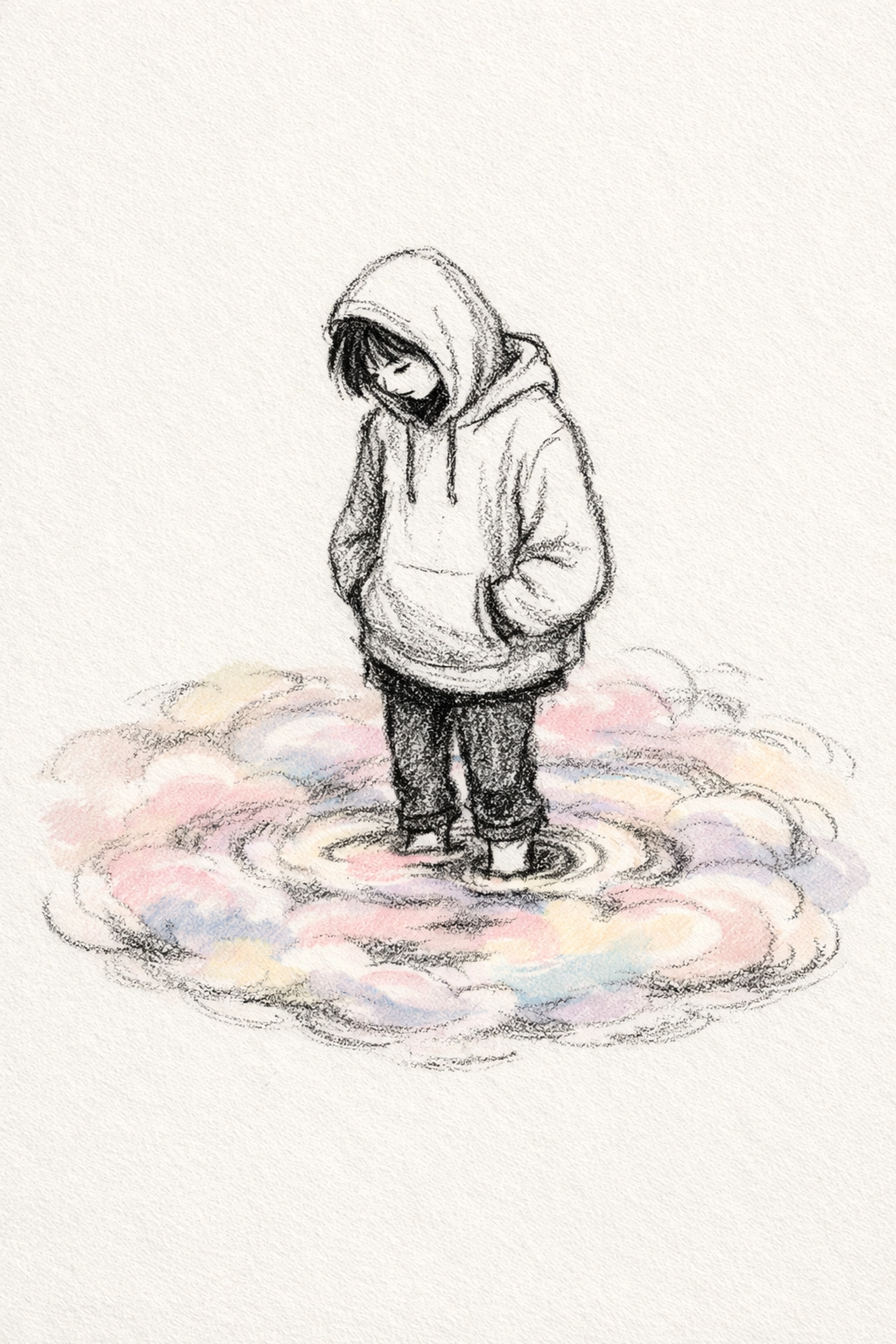
Sometimes, therapy or medication helps take the "edge" off the darkest days, but it doesn't quite bring the light back. This is what we call partial remission. You aren't in a crisis anymore, so on paper, it looks like you're "better." But internally, you still feel numb, unmotivated, and disconnected.
When you’re in this gray zone, it’s easy to settle because you’re just glad the worst is over. However, specialized counseling focuses on moving beyond just "not being miserable" and toward actually feeling alive again.
2. The "Abusive Relationship" with Yourself
Many people living with depression have a persistent, harsh inner critic. This voice tells you that you’re lazy for being tired or that you’re a burden to your friends. If your internal dialogue is constantly attacking you, it’s nearly impossible to heal.
You can’t shame yourself into wellness. Specialized support helps you identify these cognitive distortions and slowly rebuild a more nurturing relationship with yourself. We focus on shifting from self-criticism to self-compassion, which is a foundational requirement for long-term recovery.
3. There’s a "Backlog" of Unprocessed Trauma
Depression doesn’t always exist in a vacuum. Often, it’s a protective layer draped over old wounds. If you have history that hasn't been addressed: whether it's a major event or a series of smaller, persistent stresses: your brain might be staying in a "depressed" state to keep you from feeling the underlying pain.
At MindfulCo Inc, we emphasize trauma-informed care. Until the root cause is looked at with a professional who understands how trauma lives in the body, the symptoms of depression will likely keep returning.
4. Your Brain is Stuck in a Habitual Loop
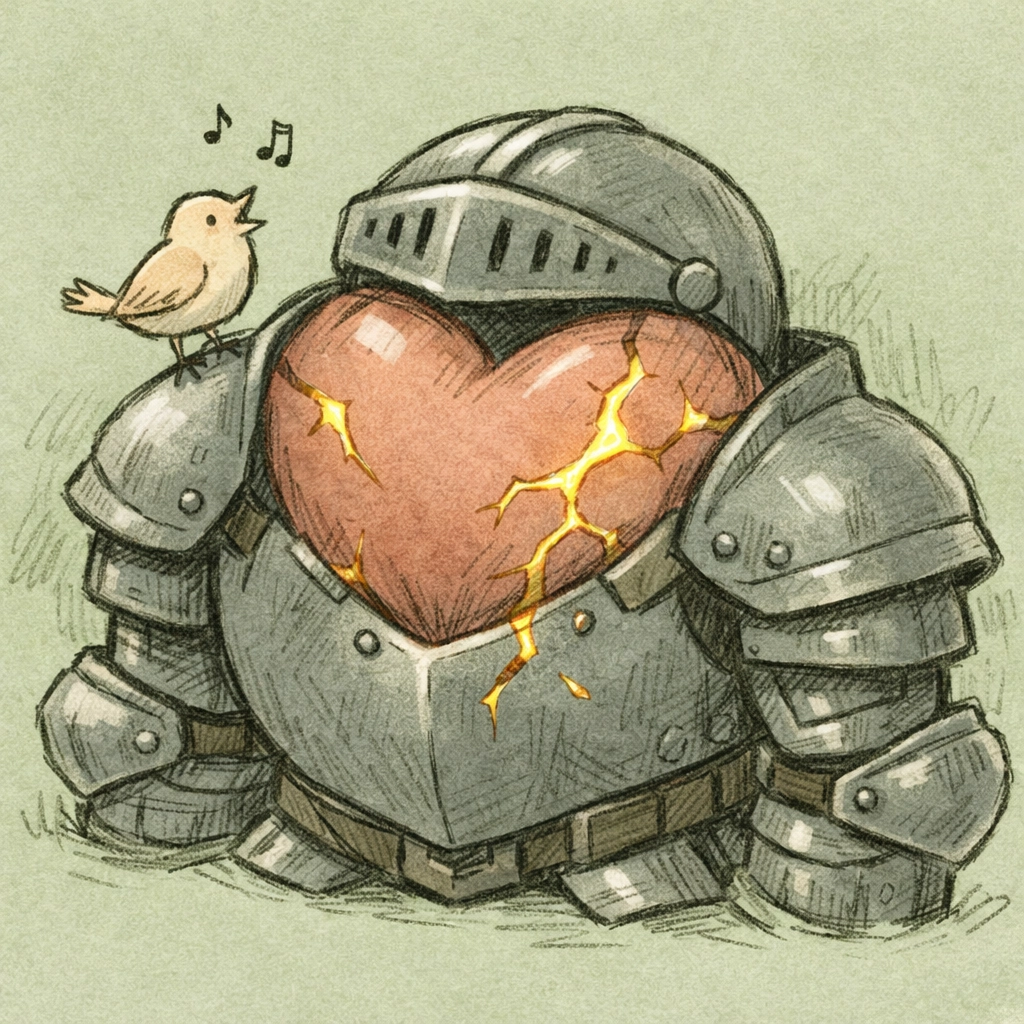
The brain is a master of efficiency. If you’ve been depressed for a long time, your neural pathways have essentially "carved out" a deep groove for those negative thoughts and low-energy states. Your brain goes there because it’s the path of least resistance.
Specialized counseling, like DBT therapy, provides specific tools to help you "rewire" these responses. It’s about building new paths so your brain eventually learns to choose a different direction.
5. The "Sadness Cave" Feels Safe
This one is hard to admit, but sometimes depression becomes a shield. If you are "depressed," the world expects less of you. You don't have to try new things, risk rejection, or face the anxiety of change.
Healing is scary because it requires you to step back into the world and be vulnerable again. A specialized counselor understands this fear of recovery and provides a safe space to navigate the transition from the "safety" of isolation back into the light of connection.
6. You’re Neglecting the Body-Mind Connection
Depression isn't just "in your head": it’s in your nervous system, your gut, and your muscles. If recovery focuses solely on "thinking" your way out of it while ignoring sleep hygiene, movement, and physical health, you’re only fighting half the battle.
Chronic stress changes your brain chemistry and your body's inflammatory response. We look at the whole picture. Sometimes, moving the body in a specialized setting: like Equine Assisted Therapy: can bypass the "talk" and help your nervous system find a sense of calm that words can't quite reach.

7. Global Overwhelm and "Existential Freeze"
Let’s be real: the world is a lot right now. Between the news, the economy, and the general state of the planet, it’s easy to fall into a "freeze" response. When you feel like the world is collapsing, it’s hard to find the motivation to work on your own mental health.
This isn’t just "regular" depression; it’s a response to an overwhelming environment. Specialized counseling helps you differentiate between what is yours to carry and what is the weight of the world, helping you reclaim a sense of agency in your own life.
8. Your Support System is Mismatched
Sometimes the people around us, though they mean well, don't know how to support someone in recovery. They might offer toxic positivity ("Just look on the bright side!") or they might enable the depression by doing everything for you.
Without the right social environment, recovery is like trying to grow a plant in the dark. Counseling can help you set boundaries and teach you how to communicate your needs to your loved ones effectively.
9. Biological and Genetic Hurdles
For some, the biological component of depression is more prominent. Standard "first-line" treatments don't work for everyone because our genetic makeup is unique. You might have neurotransmitter imbalances that require a more nuanced, specialized approach.
If you feel like you’ve tried everything and nothing "clicks," it’s often a sign that you need a more tailored treatment plan that accounts for these biological factors rather than a one-size-fits-all approach.
10. The Therapy You’re Using Isn’t "Deep" Enough
General talk therapy is great for many things, but chronic or "stuck" depression often requires more specialized interventions. If you’ve spent months just talking about your week without diving into the core beliefs or behavioral patterns that keep you stuck, it might be time for a change.
Specialized counseling at MindfulCo Inc uses evidence-based methods like DBT, trauma-informed practices, and holistic approaches to target the mechanisms that keep depression alive.
How Specialized Counseling Changes the Game
So, what do you do when you realize you’re stuck? You change the approach.
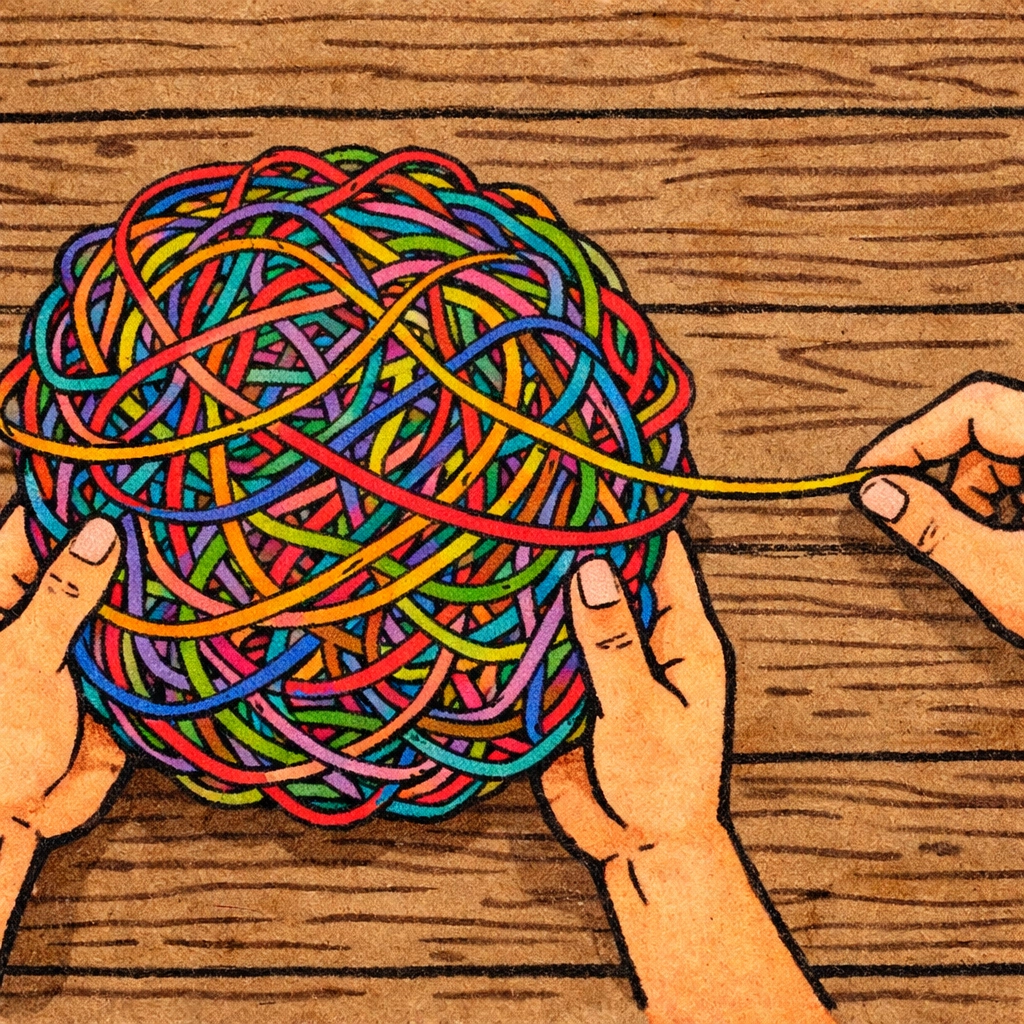
At MindfulCo Inc, we don’t just want to talk about your depression; we want to help you move through it. Specialized depression counseling is different because it’s:
Targeted: We look at the specific "why" behind your stagnation. Is it trauma? Is it a lack of coping skills? Is it a nervous system issue?
Skill-Based: We give you actual tools (like those found in DBT) to use when the "fog" starts to roll in.
Holistic: We recognize that your mental health is tied to your physical environment, your history, and your body.
Empowering: Our goal is to help you build resilience so you feel equipped to handle the ups and downs of life without falling back into the deep "stuck" feeling.
If you’re tired of feeling like you’re running in place, it might be time to try a different path. You deserve to do more than just survive your days; you deserve to feel present and engaged in your own life.
Whether you’re curious about how anxiety and depression often overlap or you’re ready to dive into a more intensive approach like DBT, we’re here to help you navigate the journey.
You don't have to figure out why you're stuck all by yourself. Let's look at the map together and find a way forward.
Ready to find a specialized approach that works for you? Explore our treatments or learn more about our approach at MindfulCo Inc.



Comments